Any typical transaction involves a transfer of ownership. You pay to buy an apple, own the apple, and then eat it. When you buy a book, you own it for life.
With the growth of digital infrastructure, the type of goods we own has shifted from physical to digital. Since the seller and the platform still receive the payment, it should generally indicate that you own what you buy.
However, that’s not always true.
AD
Digital Ownership and Related Concerns
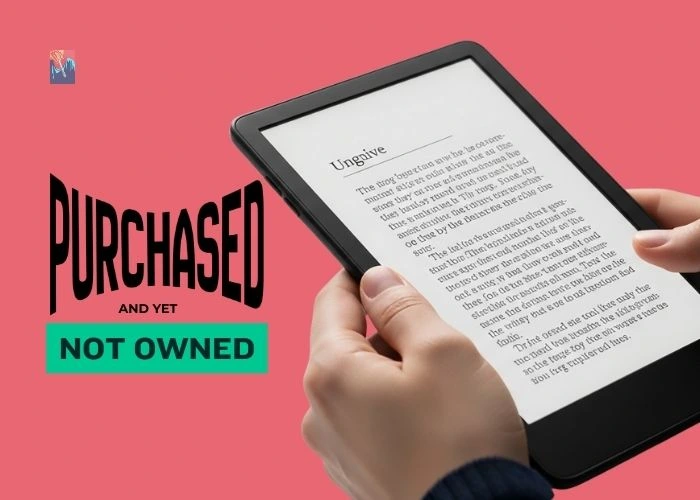
Take the Amazon Kindle, for example. When you make a transaction to “buy” a book, you are actually borrowing it from the platform. The purchased e-books are accessible to you as long as you have an Amazon account and are part of the Kindle ecosystem. You cannot download the e-book outside of the ecosystem and own it. You still pay the price.
Additionally, since the Kindle account is linked to the Amazon account used for online shopping, requesting to delete your Amazon account will permanently delete your access to Kindle books.
OTT and Online Streaming
E-books are just one of the products we purchase and borrow.
OTT platforms have obliterated the need for purchasing DVDs and the products that play them. Choose any student-range or mid-range laptop; they typically don’t come with CD players, a feature now only available on high-end gaming and performance laptops or desktop setups.
However, platforms like Netflix are optimized for seamless streaming on browsers and lock the movies behind a subscription. Similar to the Amazon Kindle, you have access to the films as long as you have an active subscription.
You don’t own the movies in any format. Additionally, platforms like Amazon Prime offer renting options for popular movies even after a subscription has been purchased.
Alternative Platforms
The Amazon Kindle offers the convenience of carrying books in a lightweight device that can be taken anywhere. However, we all already have such devices – smartphones.
Platforms like Verso Books send ePUB links to your email once you purchase the e-book. You are free to read it on any device of your choice, as you now own the e-book with all the usual terms and conditions within the bounds of copyright laws.
Similarly, platforms like the Internet Archive have played a crucial role in preserving old pages and offer a wide variety of content for free to consumers worldwide, and respect DMCA takedown requests.
Conclusion
It’s been a while since the subscription model replaced the ad model. However, we do see an interest in OTT platforms to explore both options.
From a consumer’s point of view, not only do I pay money and not own what I want, but I am also robbed of my time by ads. As AI continues to expand in a predatory way, with rarely any guidelines or punishments in place, what we consume online and how we consume will demand scrutiny.
AD
Comments (3)