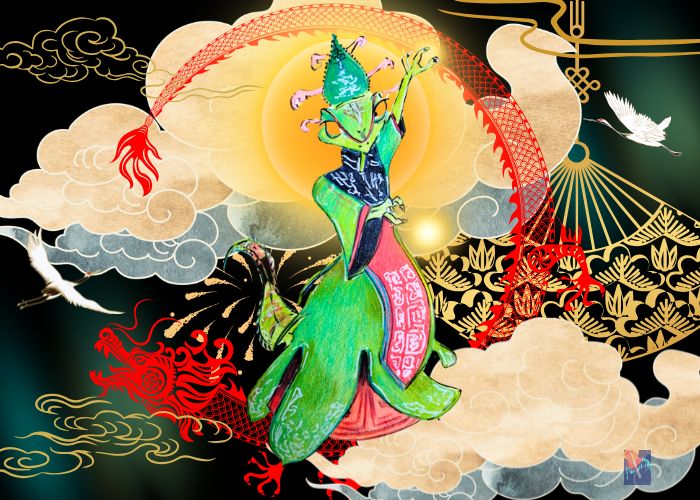
Villains are made, not born. The first three villains in the Kung-fu Panda series are all male. They have well-defined arcs that trace their troubled childhoods, abuse, or harm, which add to the story of how they become villains. Tai Lung was filled with pride and a sense of entitlement…
Category: Opinion
Opinion
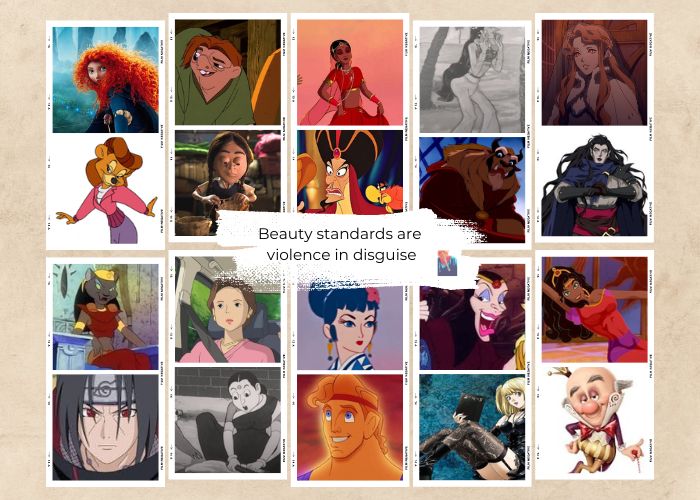
Evolution of beauty standards in global animation and characters that don’t fit
From a very popular anime series, I remember an unpopular quote about beauty. “Maybe it has a different kind of value just because it’s pretty.” – Episode – Money Style Jutsu, Naruto. For whatever role physical beauty plays in attraction, sexuality, and society, it is interesting to note that such…
Opinion
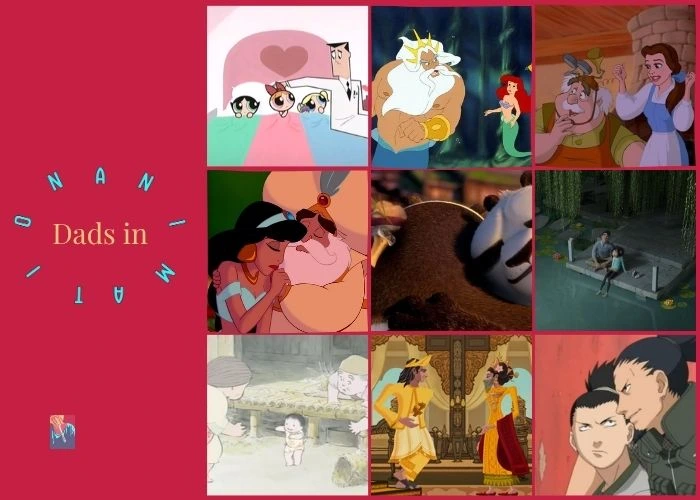
The full spectrum of being a dad in animation films
Fathers hold an essential position in the family hierarchy and are seated at the top in a patriarchal setting. Animation movies often reflect this setup, even in anthropomorphized stories, making father figures unquestionable. Animated dads are often depicted as decision-makers not just for their own lives but also for the…
Opinion
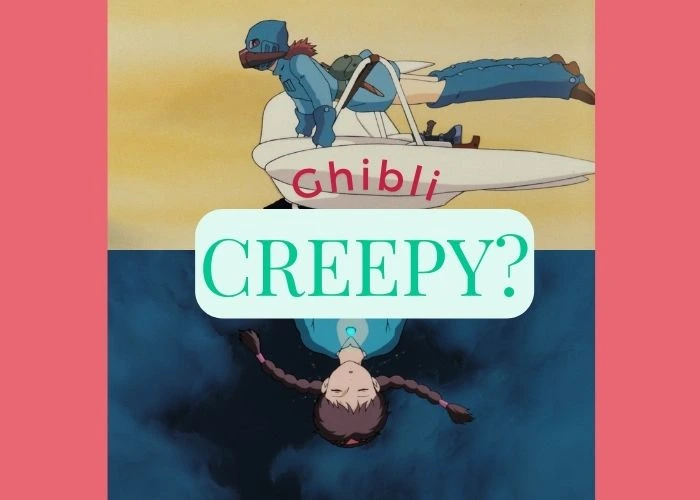
Can Studio Ghibli Be Creepy?
Hayao Miyazaki is hailed as a feminist icon. His films are complex and center on adolescent girls living independent, joyous, responsible lives. Women relate to the dry and layered characters while soaking in the magic of a master animator. However, there are some instances in a few of his films…
Opinion
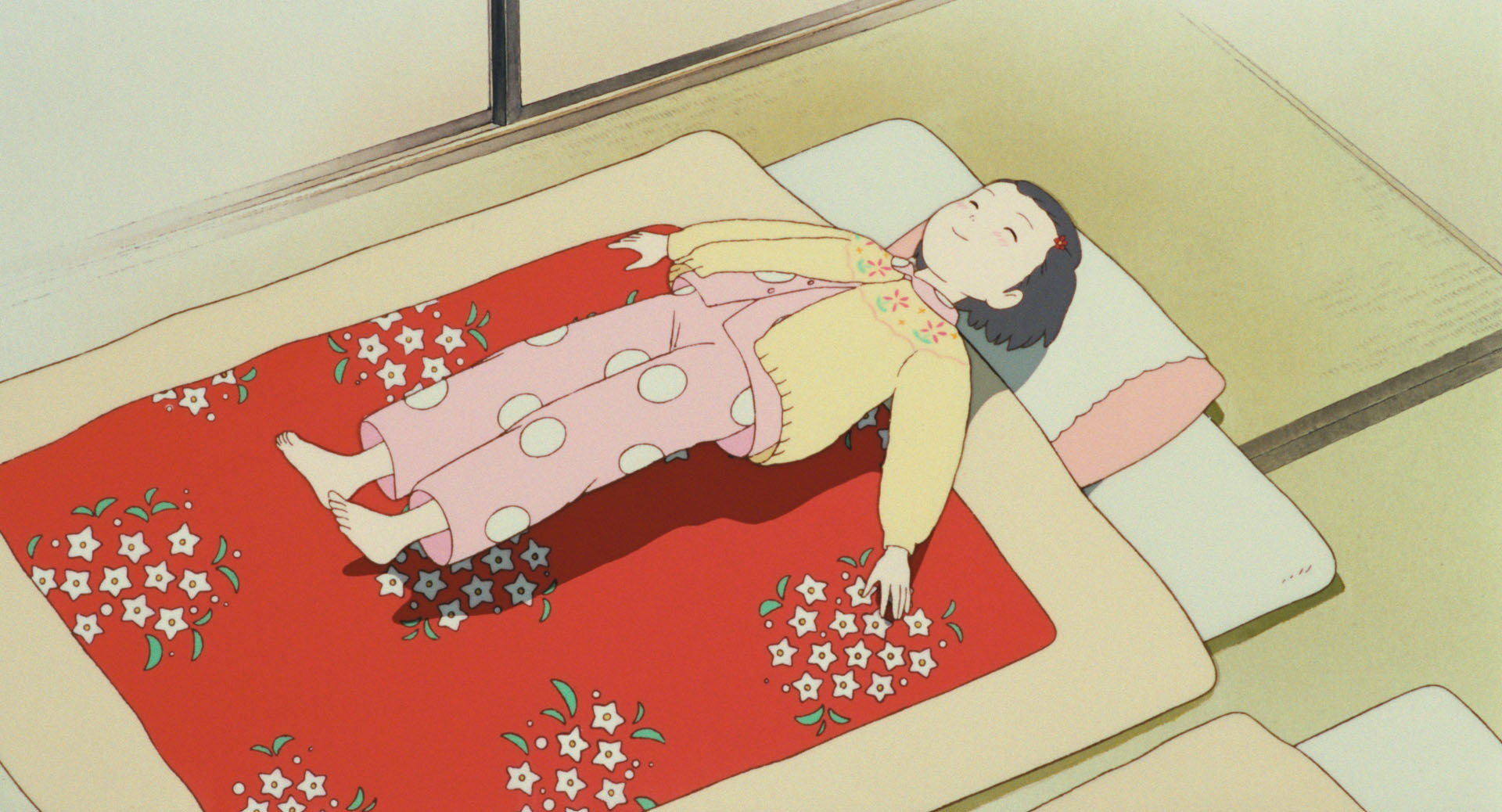
Normalizing Periods in Only Yesterday, The Studio Ghibli Way
Periods are a biological function necessary to carry life forward, yet they remain taboo. In many Indian cultures, a woman is “untouchable” if she’s on her period. She’s deemed dirty and banned from the kitchen as long as she bleeds. Male members, who are often clueless about periods till they…