From a very popular anime series, I remember an unpopular quote about beauty.
“Maybe it has a different kind of value just because it’s pretty.” – Episode – Money Style Jutsu, Naruto. For whatever role physical beauty plays in attraction, sexuality, and society, it is interesting to note that such a quote popped up in a male-dominated anime, in an episode about money.
Beauty standards run deep across cultures. Animation films, as a medium of expression, art, and cultural export, often depict humanoid or anthropomorphic characters that conform to set beauty standards. They carry it in their build, skin tone, character, costumes, language, and political settings.
Animation from the land of the rising sun
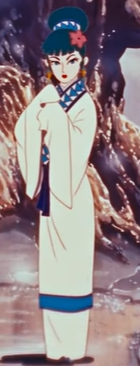
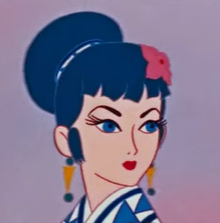
In 1958, Toei Animation in Japan released its first color feature-length film – Hakujaden, aka The White Snake Enchantress, aka Panda and the Magic Serpent. In his book Starting Point, Hayao Miyazaki says he was inspired by the film, especially the female character Bai-Niang, and that he would approach it differently if he were to remake it.
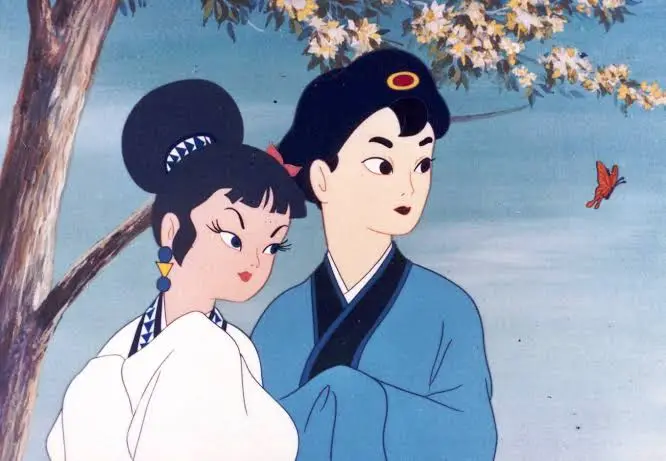
Hakujaden is adapted from a Chinese folktale, and, staying true to the times, the beauty standards reflect the era the characters represent. Their bodies are fully covered, hands hidden, hair tied in a bun, and, for Bai-Niang, red lips (a design choice that later died down), a pair of bright blue eyes – a rarity, symbolizing her unearthly beauty and presence. Their bodies reflect human proportions, and no part is exaggerated to draw attention.
Anime evolved, and by the 90s, Japan was delivering awe-inspiring feature-length animation films with original stories across genres. The characters evolved, showcasing personal tastes and global influences, as their creators crafted their own worlds rather than adapting folklore.
Popular series like Sailor Moon and Cardcaptor Sakura capture the bodily evolutions after half a century. Anime eyes became a term. They were drawn large, out of proportion, and shimmering. When in doubt about the gender, look for eyelashes.
Elongated, disproportionate legs became a roaring trend, and white skin was covered in short skirts, showcasing the full extent of the anime leggy lasses.
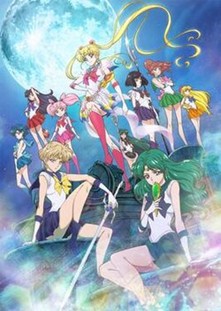
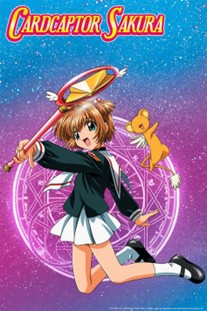
The hair changed, too. The hairstyles, length, and color matched the character’s personality and overall aesthetics.
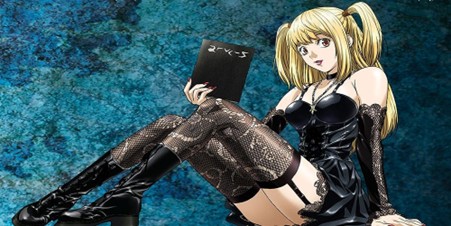
Goth subculture, which originated in the UK, found its way into multiple anime series. Misa Amane from Death Note, dressed in a harness, boots, lace stockings, and completely in black, is one of the strongest odes to this subculture.
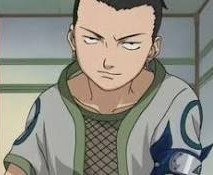
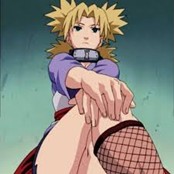
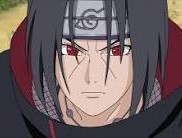
Popular anime like Naruto also fashions its characters in fishnet vests, socks, and necklaces, and pairs them with Western and traditional Japanese clothing, depending on the character arc, personality, and the values they carry. The Naruto series, in particular, exhibits the strongest form of cultural disobedience through clothing, hairstyles, and attitudes.
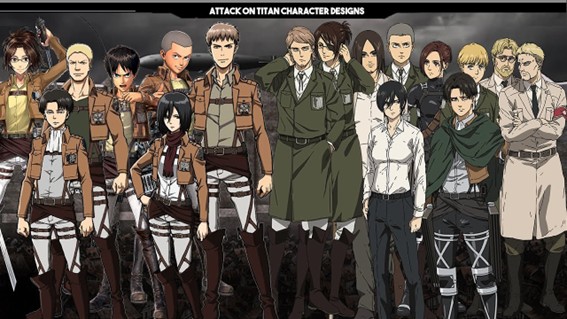
The idea of borrowed aesthetics also applies to the hugely popular show Attack on Titan, which leans towards Victorian-era dressing with harnesses, shirts, overcoats, and capes, blending well with its timeline.
The exceptions to aesthetics and beauty standards in the far east are visible only in Studio Ghibli films, which don’t adhere to any of them. Hayao Miyazaki’s stratospheric standards for his characters and films convey a sense of realism and do not subscribe to prebuilt templates. His co-founder, Isao Takahata, adapted stories from folklore and Manga, but the studio maintained a consistency in character designs that makes Ghibli unique.
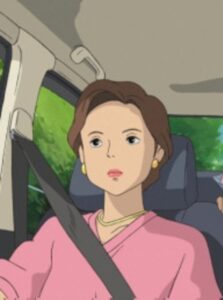
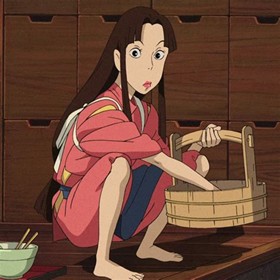
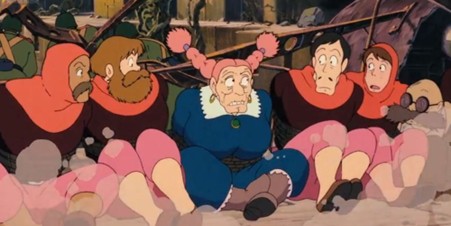
However, while Ghibli films center young girls as lead protagonists, they also struggle sometimes to depict older women, especially those who do not subscribe to Japanese aesthetics. Spirited Away portrayed Chiho’s mother as a contemporary woman and clad her in earrings and makeup to convey her contemporariness. Lin in the bathhouse was supposed to be a weasel mix, but she closely resembles a human female. Dola from Castle in the Sky is a pirate, and I love that they dressed her in blue with pink hair and gave her sons the same pink pants.
Also read: Hayao Miyazaki movies: anti-anthropomorphism and gender lens
In anime, female characters do the heavy lifting of creating and maintaining the beauty standards.
The Disney Dilemma
On the opposite end of the globe, the animation industry rose to popularity swiftly. Walt Disney’s legacy doesn’t need an introduction, but the evolution of Disney films over the past century warrants scrutiny.
Snow White and the Seven Dwarfs is the first Disney Studio animated feature-length film that remains popular among animation enthusiasts to this day. A popular urban legend about the film is that the animators used real rouge on Snow White’s face to bring out the redness on her flawless, porcelain-white skin.
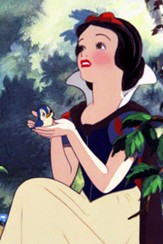
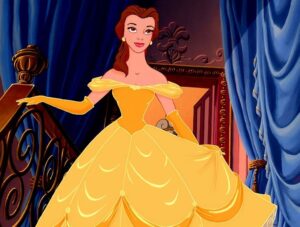
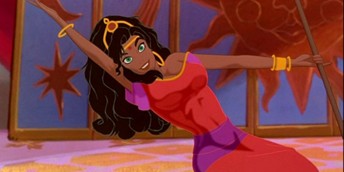
Disney opted for the path of providing clean versions of fairy tales with happily-ever-afters, featuring white-skinned and skinny princesses. Brown and non-white girls Jasmine, Mulan, and Princess Tiana appeared much later, almost after six decades of the animation studio’s existence. Characters like Esmerelda from The Hunchback of Notre Dame were rarely the first choice for merchandising, if at all.
It took the development of a special software to render Merida’s bouncy, curly red hair, and a welcome change from the otherwise “put-together” looks of princesses, signifying the theme of freedom in Brave.
Also read: Forget AI; technologies in animation will blow your mind! Part – 1
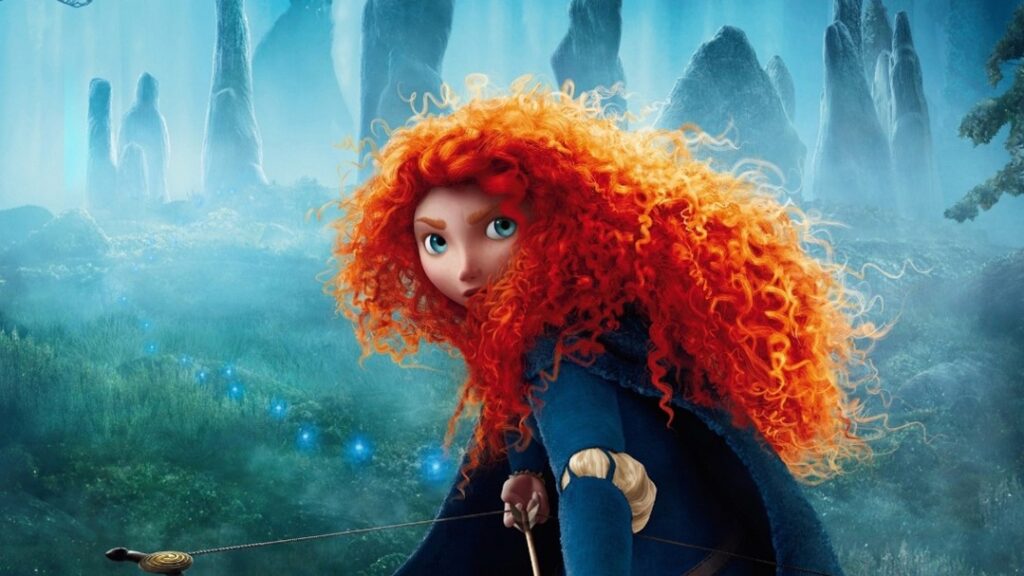
While Disney and Pixar princesses evolved from damsel-in-distress characters to taking center stage as the sheroes, they still fit the mould of conventional beauty standards – lean, hairless, color schemes that mimic make-up, fitting jewelry, and designer dresses. For the male characters, Disney’s and Pixar’s beauty standards are limited to body sculpting, while their faces and hairstyles remain similar.
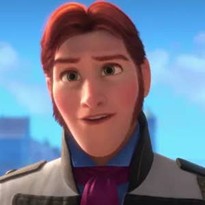
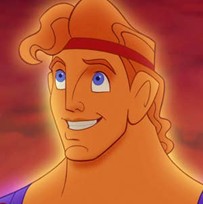
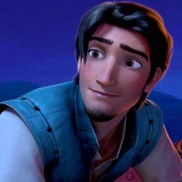
These characters fit right into the cis-het stereotypes, and queer characters remain vastly absent.
Also read: The search for queer representation in animation genre
Disney’s 90s era delivered peak creativity through original storytelling featuring anthropomorphic characters, while sticking to assigned beauty standards.
Take Rebecca Cunningham, for example. The Talespin Wikipedia describes her as “an unassumingly attractive, yet shrewd businesswoman with an MBA,” while similar comments rating Baloo’s or Sher Khan’s attractiveness remain absent.
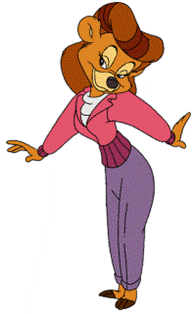
Walt Disney Animation Studios is one of the oldest animation studios in the world. While it has a research department to keep up with emerging technologies and their use in animation, the studio has stayed stuck in princess stories, happily-ever-afters, and palatable beauty standards.
What’s Brewing in the Indian Subcontinent?
Bombay Rose by Gitanjali Rao premiered at the International Critics Week at the 2019 Venice Film Festival. It was later streamed on Netflix, yet only a small fraction of people have watched this landmark film. Stuck in the rigid social structures of India, Rao weaves a story of love, longing, dreams, and perennial war. Brown skin dominates the screen, as do Indian jewelry, attire, and the usual shapes of men and women.
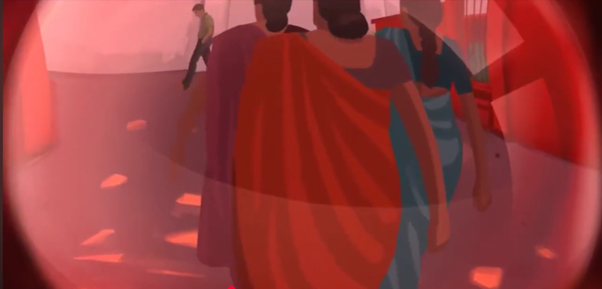
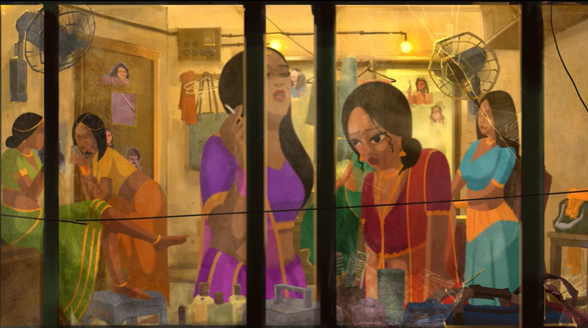
However, the main character still fits the “fit girl” aesthetic, and the female characters from the dance bar are drawn with more voluptuous curves and more skin on display.
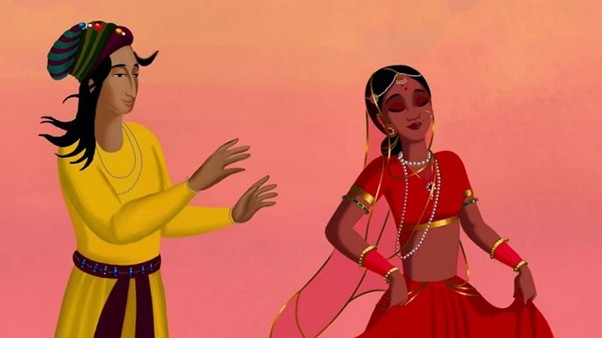
The origins of Indian animation date back to the early 20th century, but the names of founding figures such as Dadabhai Phalke, Mahadeo Gopal Patwardhan, Vinayak Mahadeo Patwardhan, and many others rarely appear in public memory.
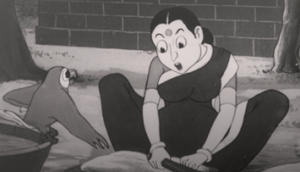
A short film, Glimpses of Indian Animation, now sits on the Internet Archive and offers a glimpse into how Indian animation has shaped over a century and how female character descriptions have evolved with it. The traditional Hindu bindi made it to the screen, and so did retro pants.
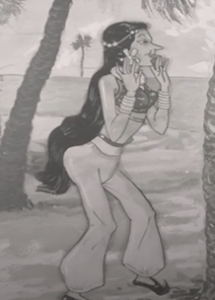
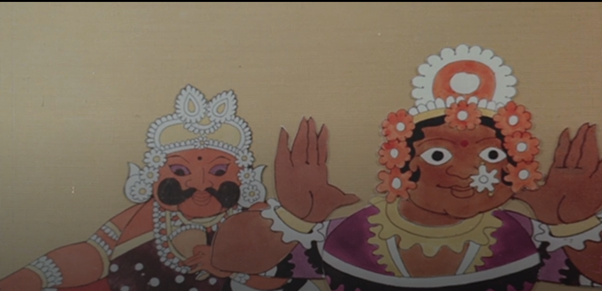
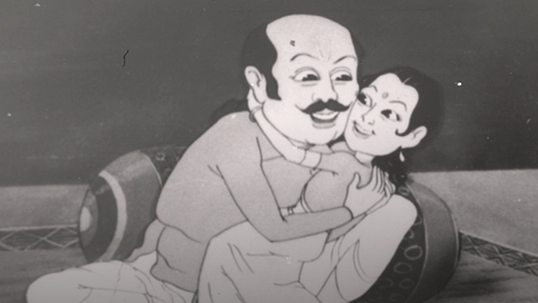
Fast forward to today, indie studios like Studio Eeksaurus, which is primarily an ad film production company, have produced awe-inspiring short films on par with those from older, more popular global studios. Their in-house stop-motion film Tokri features a young schoolgirl with brown skin, braids, and a normal body, an approach that stands in stark contrast to how anime treats younger female characters.
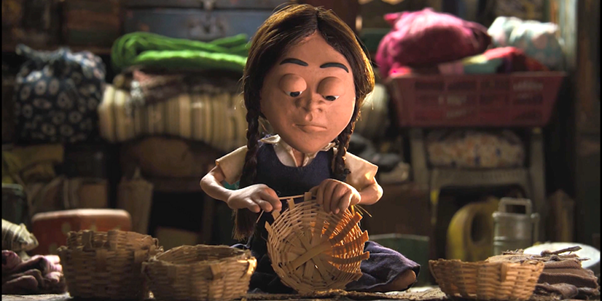
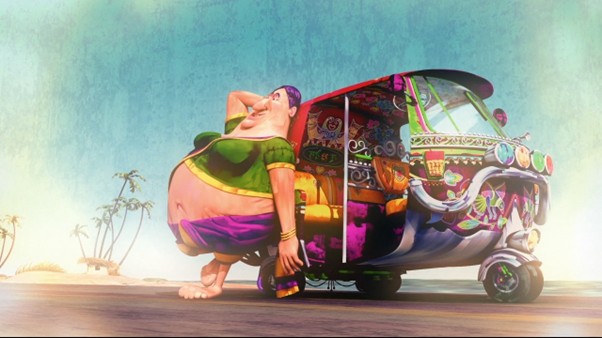
The same studio produced The Fisherwoman and Tuk Tuk, featuring a big woman with an exposed belly in Maharashtrian attire; one of the freest women I have witnessed in the animation spheres.
Also read: “Tokri” and hopes from the basket by a Mumbai girl
Indian animation is advancing by leaps and bounds, and the industry isn’t confined to Maharashtra.
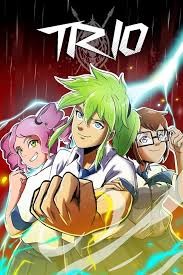
Kolkata-based Vaibhavi Studios has launched the Trio manga and anime series featuring Indian girls in anime avatars. Laden with stories from the Steel City, Jamshedpur, tribal cultures, the iconic Howrah Bridge, and an India-inspired setup, it introduced Indian girls and the variety of physical differences they come in, without reducing them to looks and aesthetics.
Also read: Trio Manga is going places
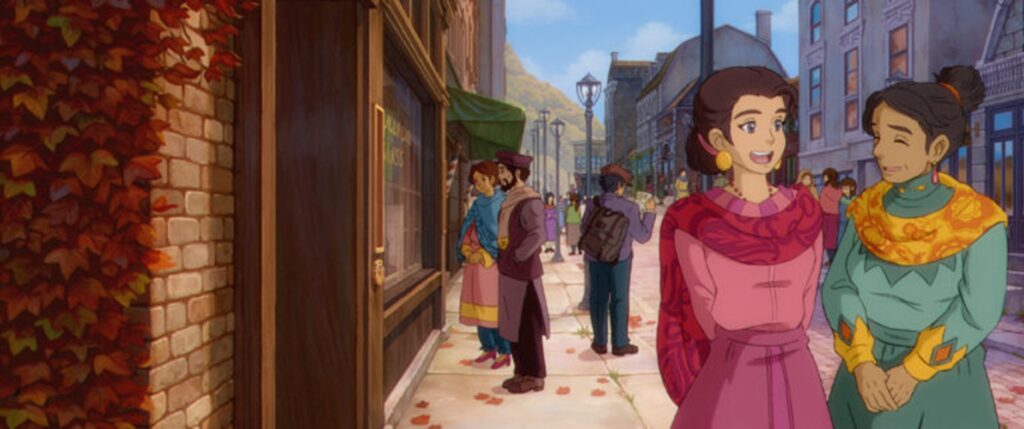
It would be criminal not to talk about Uzman Riaz’s The Glassworker, a feature-length, hand-drawn animation film from Mano Animation Studios in Pakistan. An official submission for the 2024 Academy Awards, Uzman draws inspiration from Hayao Miyazaki and Studio Ghibli films with themes of anti-war and romance.
Needless to say, Uzman draws people in much the same way Studio Ghibli does and adds his own take.
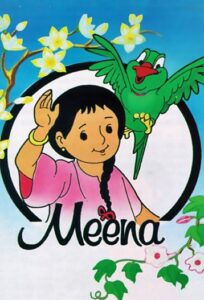
An entire generation in the Indian subcontinent grew up watching Meena, a pan-South Asian animated series featuring a young girl in pink and braids. The series was dubbed into over six languages and remains a vital part of collective nostalgia.
Earlier, studios like Prana Studios and Rhythm and Hues set up branches in India before going defunct. With a growing number of indie studios, it would be interesting to see how the animation industry in the Indian subcontinent evolves through inspiration and adaptation.
A Monster by Design: Characters That Don’t Fit The Standards
What happens when the elixir of life runs out?
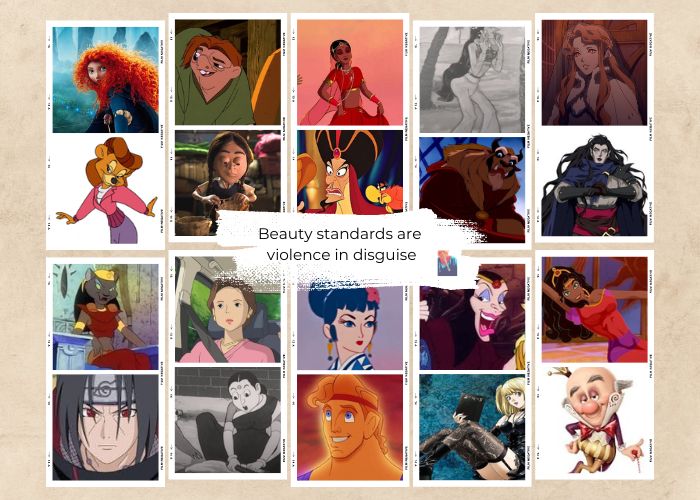
Disney told us stories of princess-obsessed old crones who were out to steal beauty to the point of attempting to murder. Poisoned apples, brushing very long hairs, and kidnapping Gummi Bears are in the mix to retain power and beauty.
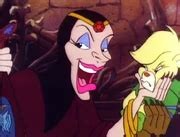
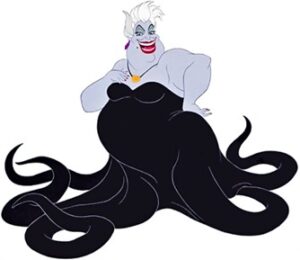
Powerful women do not fit any template. So, we see these characters as skinny and voluptuous, old and young, deformed and symmetrical, ugly and beautiful. We haven’t yet understood female ambition, drive, and evil intentions well enough to portray them accurately. But the templatized physical beauty or prettiness seems to be reserved for “good” girls only.
On the other hand, antagonists like Claude Frollo and Jafar exist freely as the usual old, powerful men.
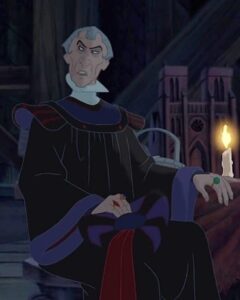
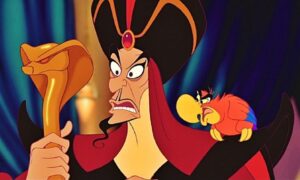
Turbo from Wreck-It Ralph and Jasmin’s father, The Sultan, are just older men, and without context, it’s difficult to tell if they are evil or good. And on a similar vein, Lenore from Castlevania, fits the template without revealing anything about her true intentions.
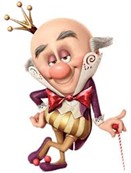
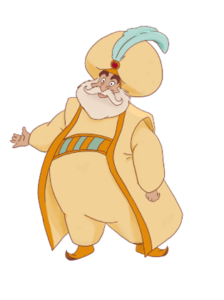
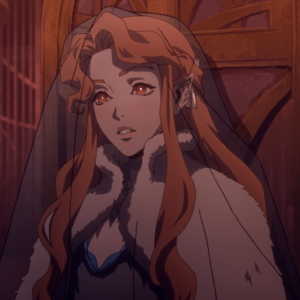
Borrowing from the “lean and mean” idea, animators, especially from the Disney Animation Studios, have often drawn evil characters as narrow. Mirage, Curella, and Jafar easily fit into this template, but Ursula from The Little Mermaid doesn’t.
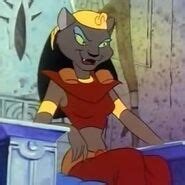
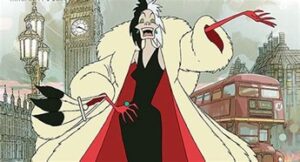
Animated female monsters, especially from Western studios, deviate little from conventional beauty standards. There would still be physical features to offset the introduced ugliness.
Characters like Quasimodo from the Hunchback of Notre Dame and Beast from Beauty and the Beast are far removed from human proportions, and to offset their “ugliness”, they are granted redemptive arcs. If they were females, they would have died like the old Disney crones.
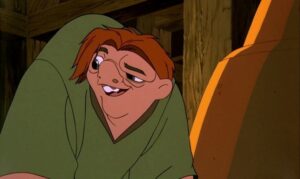
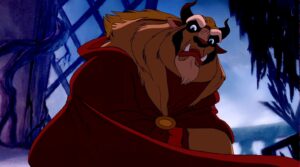
Maybe the current animation industry is just too scared to make a woman look crooked, give her evil ambitions and an unlikable personality, as The Substance did, and still have her survive.
However, it is important to note that design aesthetics evolve when design techniques travel across oceans. Castlevania is an anime from an American studio, and it is one of the few dark, adult anime out there, which adds depth to its female characters.
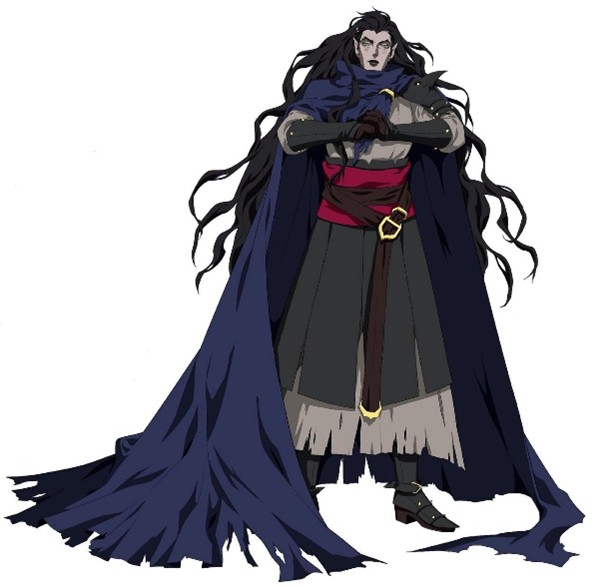
Striga is a vampire; she is 7 feet tall, wields a sword, commands an army, and may fit the non-binary standard – a hyper rarity in character designs in animation. She is a monster by definition, but character designers refused to reduce her to something categorically ugly, weak, or disposable.
The Gender Divide and Arguments on Pedophilia
Research indicates that about 80% of the movies have a male-driven narrative.
Mariana Avelino, a Medium writer, analyzed the gender gap in animated films using computer vision, particularly in Disney and Pixar films, and reports that female faces are underrepresented compared to male faces, even when characters appear in groups. While there is an upward trend in gender equality, it is slow.
With the release of the Epstein files, social media creators have drawn attention to how the male-defined beauty standards for women resemble a very young girl — baby face, baby voice, hairless, and often drawn smaller than her male counterparts. This design choice is especially heavily adopted in anime.
Your Name is a very popular anime film, and its director, Koichiro Ita, was found guilty of engaging in sexual activities with over 100 underage girls. Satoshi Kon, another giant in the anime industry, got away with the line, “I like them young. I don’t like them that young,” in his film Magnetic Rose. Woody Allen, also on the Epstein file, voiced the lead character Z in DreamWorks’ Antz.
Driven by the #MeToo movement, more than 200 women and non-gender-conforming people demanded the end of sexism and sexual harassment in workplaces, including global popular animation studios like Disney, Sony Pictures Animation, Cartoon Network, Dreamworks Animation, and Warner Bros.
Predators exist in the creative industry, and it’s problematic when they hold decision-making roles and define what, when, where, and how female characters are represented in animation.
Final Thoughts: Beauty Standards Are Violence In Disguise
“Beauty lies in the eyes of the beholder.” My interpretation of this quote is that beauty must always have an audience, a witness, as if the entire purpose of owning a quality is to prepare it for a performance.
Will beauty cease to exist if nobody witnesses it?
In the pages of history, lead was a beauty agent and also a cause of death. Chinese foot binding rituals broke women’s bones. Mary Ann Bevan entered the competition for the title of the ugliest woman in the world to keep her children fed.
Society has a complex relationship with the idea of beauty. It worships and punishes it simultaneously, and animated films mirror that sentiment. Maybe at some point, we will collectively look beyond the skin, and animated films will reflect it.