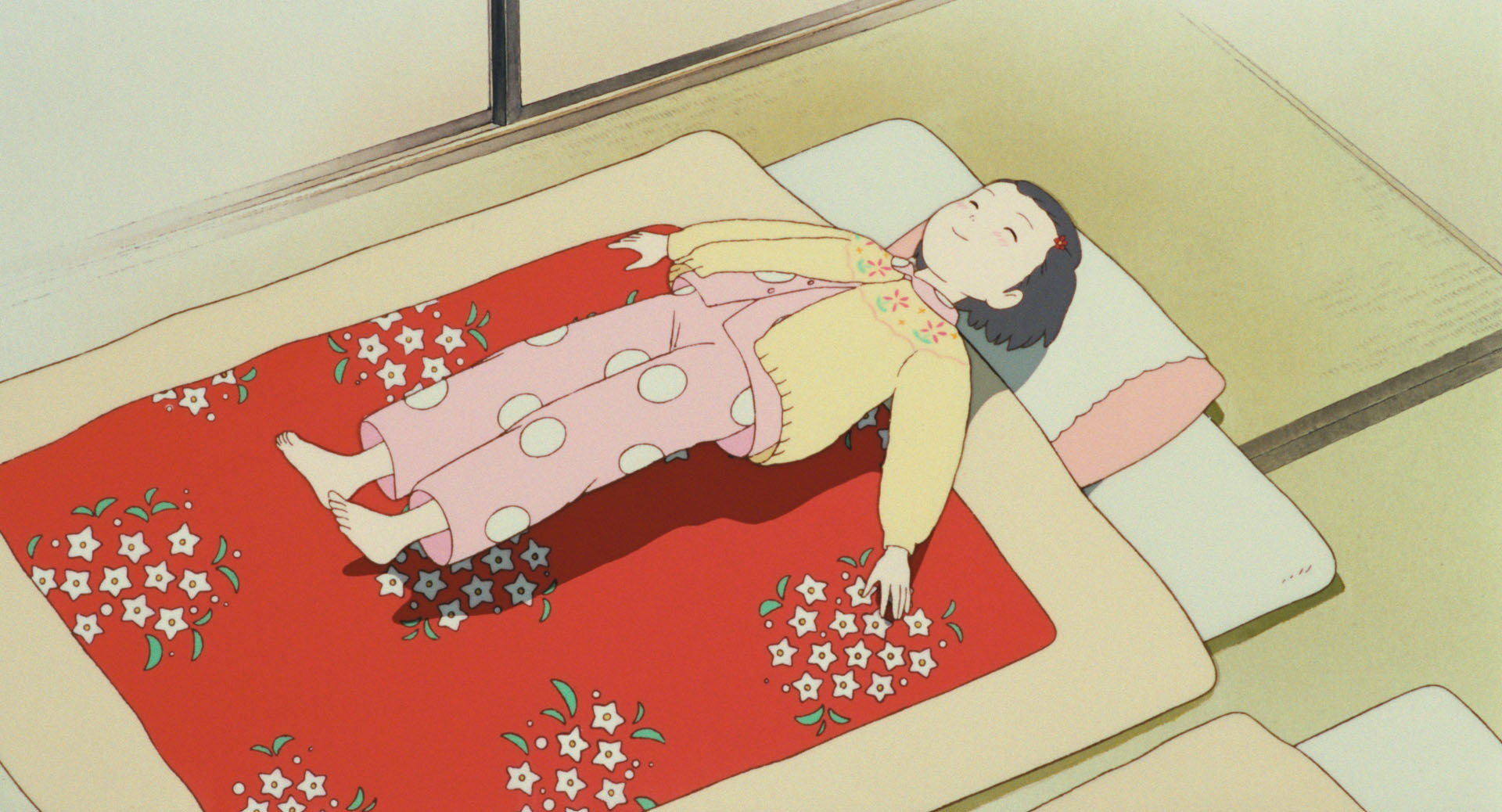
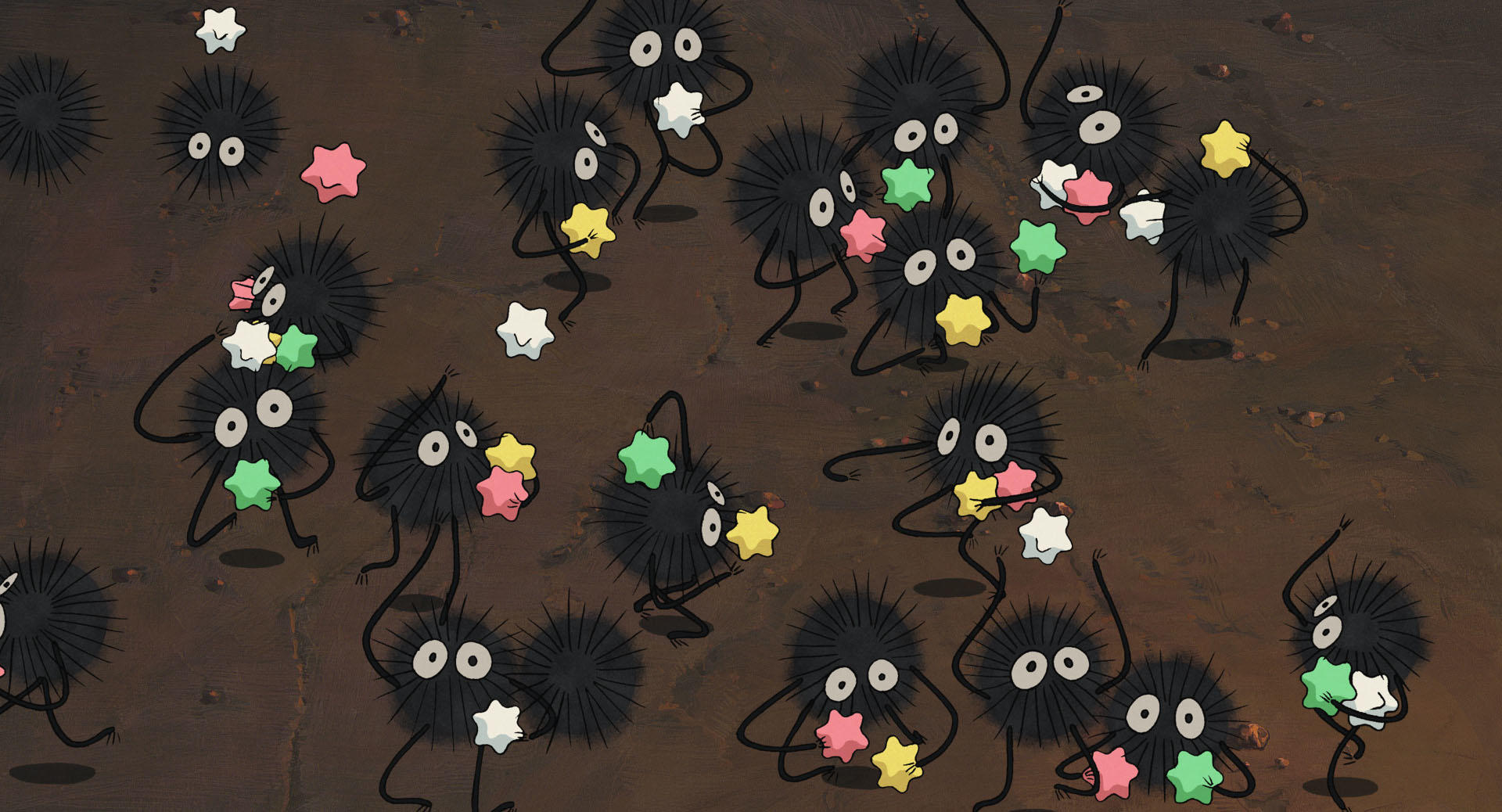
In 2020, during the COVID-19 pandemic, when the majority of the population was confined to their homes, Studio Ghibli came to the rescue.
The screen time of people (who had the luxury and privilege of being at home or being stuck in the Himalayas) skyrocketed. A Ghibli film is a comfort zone for many people when the world feels chaotic and out of control.
Amidst the chaos, the studio decided to provide more aid.
Studio Ghibli has released free HD wallpapers from its films, which are directly downloadable from its website, provided that the wallpapers are used sensibly.
The sensibility that Ghibli demanded from people lost meaning with OpenAI with the “trend” of Ghiblifying personal pictures.
Millions of people, many of whom had never watched a single Ghibli film before, joined the social media trend and fed their personal pictures to a Generative AI model without a single thought of how the platform works, or the knowledge of unprecedented data theft of art, including Ghibli’s copyrighted content.
The trend infuriated me, especially when I saw posts from people I know who were aware of the data theft.
I concluded that most people do not care about art as long as it serves them. Ghibli is just another name to them and a means to “artify” their existence without paying an artist.
Since there is an audience for the Generative AI trash art, it’s essential to highlight some important and overlooked aspects of GenAI and AI in general.
Garbage In, Garbage Out
There’s a popular saying in the AI sector called “Garbage In, Garbage Out,” which means that the quality of the output depends on the quality of the input.
Notice that Generative AI models steal and train on the best artworks available–those created by artists who excel in their respective fields, whether traditional or digital.
The generative AI output is likable and popular solely because it’s trained on the finest art data available to humanity.
Assume the dataset came from children’s drawings or amateurs. The output would reflect the immaturity and the lack of skill and soul.
Will it sell? Childish art? Unskilled art?
No.
Bring Your Own Database
Nobody stops the GenAI owners from creating their own artworks and then feeding them into their system.
Since creating millions of high-quality artworks is a challenging task, GenAI owners opted to scrape, as if the primary purpose of producing the artworks was to serve as a source of training datasets.
They recognize the value of art, yet they steal it, belittle artists, force opt-outs, and threaten protective laws like copyright.
Conclusion
The high carbon footprint of AI models like OpenAI’s Sora2 is a known fact. Then why are the Generative AI models allowed to exist, invested in, and thrive in terms of popularity?
Considering for a moment that people do not care about artists. Still, they must be wary of deepfakes, of women whose pictures are taken from their handles and used to create porn, of the high carbon footprint of a planet that is already crossing threshold conditions. They must evaluate the tools beyond their shine and promise built on other people’s hard work.