While the story of
Tokri made me wonder about the streets and slums of Mumbai, India, Sitara took me straight to the streets and terraces of Lahore, Pakistan.
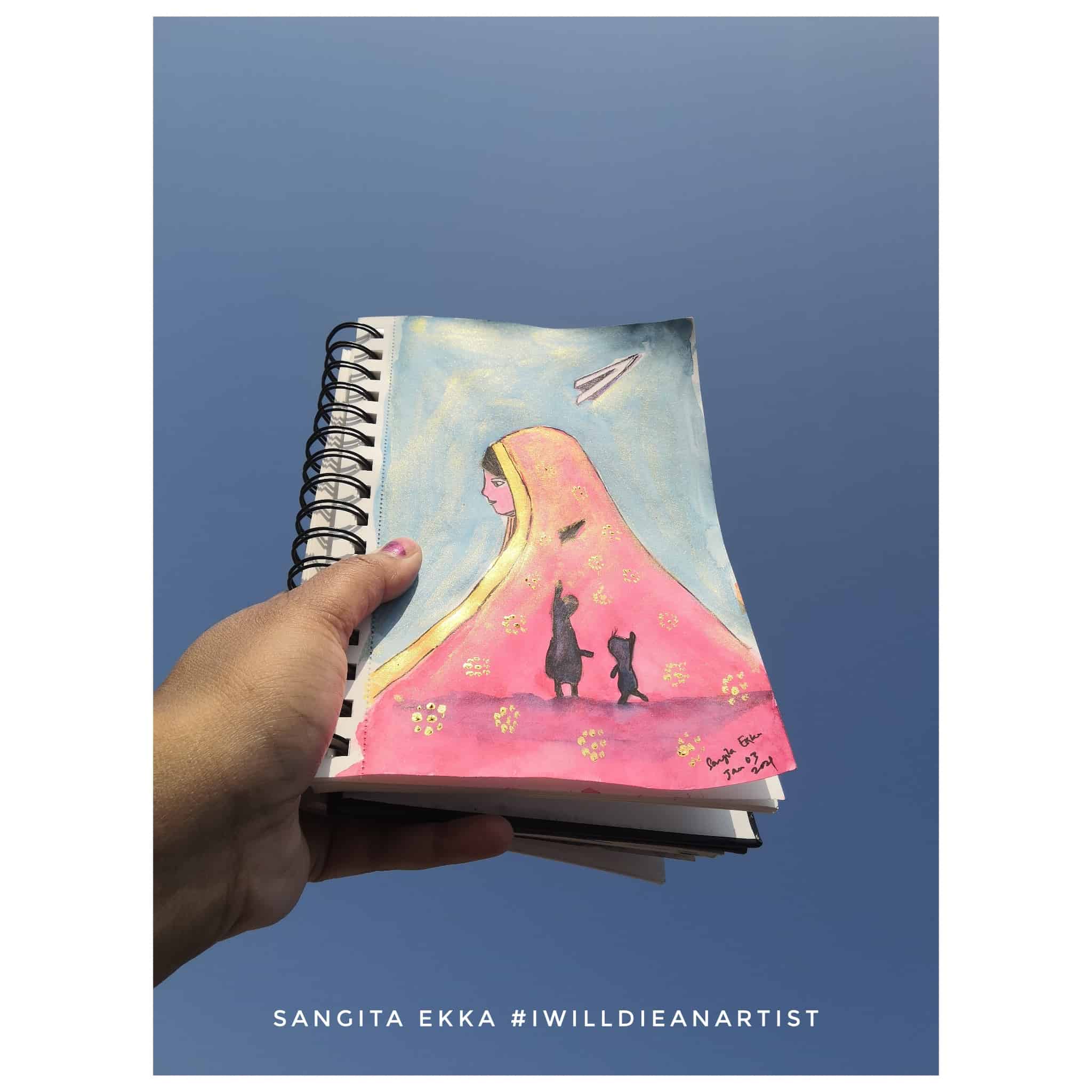
Sitara: Let Girls Dream is a 15-minute silent animation movie from Karachi-based Waadi Animations in collaboration with VICE studios. Set in 1970, Sitara tells the story of a 14-year-old girl – Pari (meaning angel), who dreams of being a pilot one day, but quickly finds herself face-to-face with an
undisputable alternate future fixed by her father. The story henceforth reveals how the rest of the family responds to the decision made by the beefiest person in the room.
AD
Patriarchy is often blind to the hopes and dreams of women, irrespective of their age. Sitara is brutal in its portrayal of these gender roles and power dynamics. It does not hide the patriarchal system prevalent in the Indian subcontinent and gives space for underrepresented stories in the animation film industry.
Sitara reflects that era in its aesthetics – the house, attires, textures, vehicles, etc. On a deeper look, it communicates a lot more with how the characters interact with each other purely in terms of facial cues and body language, a feat for which I have maddening respect. Pay attention to the subtly changing background score with the frames’ emotional highs and lows, and while you are at it, try spotting the words –
Amelia Earhart.
Sitara and the portrayal of female characters
Sitara stands in stark contrast to the portrayal of female characters from animations done in the past. Pari dreams, but her head is not stuck out of a window thinking or wishing for a prince to ride in and save the damsel in distress. It is real, grounded in reality, and speaks volumes about what is and demands to fix things.
This short animation is truly feminist in all sense. With the team of all-female executive producers, screenplay, cast, and music director, Sitara does more than just bring out a social issue against women. It also acknowledges men’s emotional grounds and decision-making and provides the space for realization. It shows that women and men of tomorrow can choose differently.
My only negative reaction to the movie was to the name. Why use “Let” when “Sitara: Girls Dream” seems more posit? But then I realized that “Let” is probably a command from Sharmeen Obaid Chinoy, writer, and director of Sitara, who is also known for the Academy Award-winning documentary –
Saving Face, inspired by the life of Fakhra Younus, an acid victim of Pakistan.
Sitara means star, and this story, as precious as the jewels of the night, is from a woman who is also a Pakistani-Canadian journalist and activist and courageous enough to cover the cowering acts of the Taliban who destroyed schools in Swat, Pakistan, because they did not want girls to study.
Sitara has been available on Netflix since women’s day of 2020. In a world that speaks a thousand languages, perhaps it would take silence to convey and command to fix things, and Sitara does a fantastic job at that.
https://www.youtube.com/watch?v=Y-gFejYfCcw